
Piles (hemorrhoids) and fistula are common anorectal conditions that can cause significant discomfort and affect daily life. While medical treatment is essential, diet plays a crucial role in managing symptoms and preventing complications. Dr. Sandhya Bade, a trusted Lady General Surgeon in Pune, shares insights on foods to avoid and tips for a healthier digestive system.
Understanding Piles and Fistula
What Are Piles?
Piles are swollen veins in the rectum or anus that cause pain, bleeding, and itching. Common causes include constipation, prolonged sitting, obesity, and straining during bowel movements. Proper diet can reduce pressure on the veins and make bowel movements smoother.
What Is Fistula?
An anal fistula is a small tunnel that forms between the end of the bowel and the skin near the anus, usually caused by infection. Symptoms include pain, swelling, and recurrent infections. Diet is key to supporting healing after fistula surgery and reducing recurrence risk. For expert care, consulting Fistula Surgeries Doctors in Pune can ensure proper treatment and faster recovery.
Why Diet Matters in Piles and Fistula
Foods can aggravate constipation, increase inflammation, and worsen symptoms of piles and fistula. Avoiding certain foods while including healthier alternatives can make a significant difference in recovery. Whether you are looking for piles treatment in Pune or fistula treatment in Pune, dietary management is always recommended alongside medical care.
Foods to Avoid in Piles
1. Spicy and Oily Foods
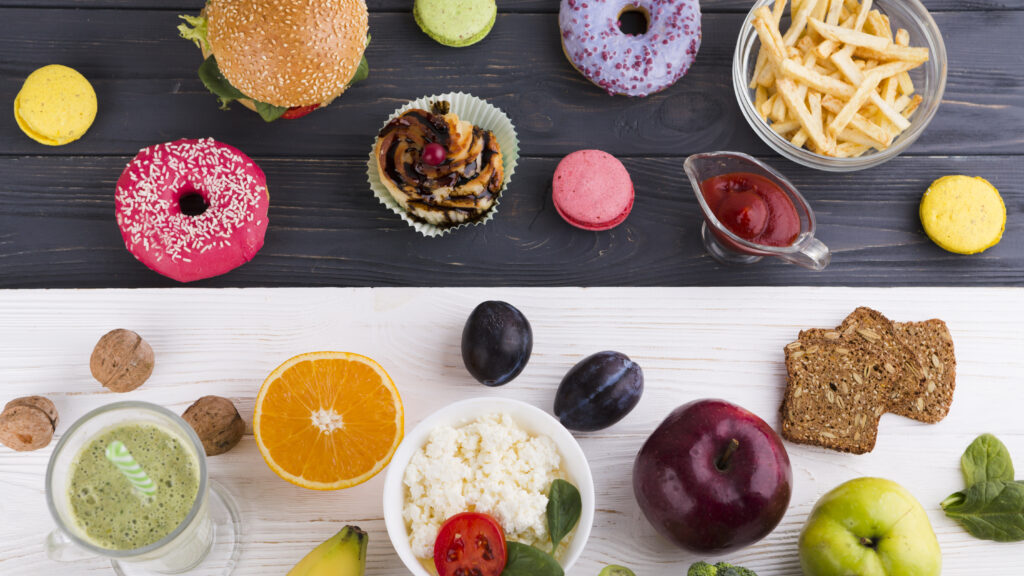
Hot curries, chili, and deep-fried snacks can irritate swollen veins and increase inflammation. Avoid excess spice and oil to prevent flare-ups.
2. Processed and Junk Foods
Chips, instant noodles, and packaged snacks are low in fiber and can cause hard stools, worsening constipation.
3. Red Meat
High-fat meats are difficult to digest and can slow bowel movements, putting pressure on piles.
4. Dairy Products in Excess
Milk, cheese, and butter may lead to hard stools in some individuals, aggravating symptoms.
5. Caffeinated and Carbonated Drinks
Coffee, energy drinks, and soda can dehydrate the body and make stools harder, increasing discomfort.
Foods to Avoid in Fistula
1. Low-Fiber Foods
White bread, white rice, and refined cereals can worsen constipation, which increases pressure on the fistula tract.
2. Spicy and Fatty Foods
Spicy curries and fried foods may cause inflammation and delay healing after fistula surgeries.
3. Alcohol and Tobacco
These habits slow the healing process and increase the risk of infections.
4. Dairy and Sugary Foods
Excess sugar and dairy can disturb gut health, making bowel movements irregular.
Recommended Foods for Piles and Fistula
1. High-Fiber Foods
Whole grains, oats, leafy vegetables, and fruits like apples, pears, and papaya soften stools and prevent constipation.
2. Hydrating Foods
Water, coconut water, and soups help keep the digestive system hydrated and smooth.
3. Probiotics
Yogurt and fermented foods support gut health and improve digestion, aiding in recovery.
Tips for Managing Piles and Fistula Naturally
-
Drink at least 8-10 glasses of water daily.
-
Exercise regularly to reduce pressure on veins.
-
Avoid prolonged sitting to prevent swelling.
-
Maintain proper toilet habits and avoid straining.
-
Consult a piles specialist near me or fistula specialist near me for personalized advice.
When to See a Doctor
Persistent bleeding, severe pain, or signs of infection should never be ignored. For expert treatment, you can reach out to Piles Surgeries Doctors in Pune, Fistula Surgeries Doctors in Pune. Timely medical intervention combined with dietary changes ensures faster recovery and reduces recurrence risk.
People Also Ask (FAQs)
Q1. Can spicy food worsen piles?
Yes, spicy foods increase inflammation and irritation, making symptoms worse.
Q2. Is junk food bad for fistula?
Absolutely. Processed foods can cause hard stools and delay healing.
Q3. Which fruits are safe for piles?
Apples, pears, papaya, and berries are high in fiber and help smooth bowel movements.
Q4. Can dairy trigger fistula pain?
Excessive dairy may harden stools and worsen discomfort.
Q5. How can I soften stools naturally?
High-fiber foods, adequate water, and probiotics are the best ways to maintain soft stools.
Conclusion
Diet plays a critical role in managing piles and fistula. Avoiding spicy, oily, low-fiber, and processed foods while including fiber-rich, hydrating, and probiotic foods can significantly reduce symptoms and support healing. For personalized guidance, consult Dr. Sandhya Bade, a Lady General Surgeon in Pune, for advanced piles treatment in Pune and fistula treatment in Pune. Early intervention combined with dietary management ensures the best outcomes.
Address:- Medistar Hospital for Orthopaedics & Advanced Surgeries, Sai Canary New Rd, Balewadi, Pune, Maharashtra 411045
Phone:- 7769 88 1155
Get Direction